

16 Days of Activism against Gender-Based Violence
25 November to 10 December 2026
The future she deserves: Ensure justice, protect survivors, end impunity
Every year, from 25 November, the International Day for the Elimination of Violence against Women, to 10 December, Human Rights Day, the 16 Days of Activism against Gender-Based Violence call for global solidarity to end violence against women and girls everywhere. This year, the UNiTE campaign calls on the world to “Ensure justice, protect survivors, end impunity.”For adolescent girls, this call is particularly urgent. For millions, violence begins early in life, at a time when girls are forming relationships, continuing their education and laying the foundations for their future health and well-being. Ensuring justice and protecting survivors therefore means making sure that adolescent girls are not overlooked in efforts to prevent and respond to violence against women.
This year, the World Health Organization (WHO) is highlighting new estimates of intimate partner violence and non-partner sexual violence against adolescent girls aged 15–19 years. The findings show that almost 1 in 3 girls aged 15–19 years, around 43 million girls worldwide, have experienced physical and/or sexual violence from an intimate partner, sexual violence from someone other than a partner, or both, at least once in their lives.
Ending impunity and protecting survivors must go together with preventing violence before it happens. Governments, communities, schools, health systems and individuals all have a role in creating safe and supportive environments for adolescent girls and ensuring that those who experience violence can access appropriate care and support.
Key messages
- Violence starts early and can shape lives. Violence against women often begins in adolescence, affecting health, education, economic opportunities, relationships and well-being across the life course. Preventing violence against girls is therefore an important investment.
- Almost 1 in 3 girls aged 15–19 years have experienced violence. An estimated 43 million adolescent girls have experienced violence from a partner, sexual violence from someone else, or both. Every girl has the right to live free from violence.
- Child marriage is linked to violence. Child marriage harms girls’ health and increases their risk of partner violence. Married girls need support, not stigma, when they seek health services. Education is a fundamental right that also protects girls against child marriage.
- Healthy relationships start with respect and equality. Comprehensive sexuality education helps young people build the knowledge, values and skills for respectful relationships.
- Violence against women and girls is preventable. Political leadership, adequate financing, strong systems and community action can contribute to substantial reductions in violence. Prevention should be accompanied by safe, survivor-centred care and support when violence occurs.

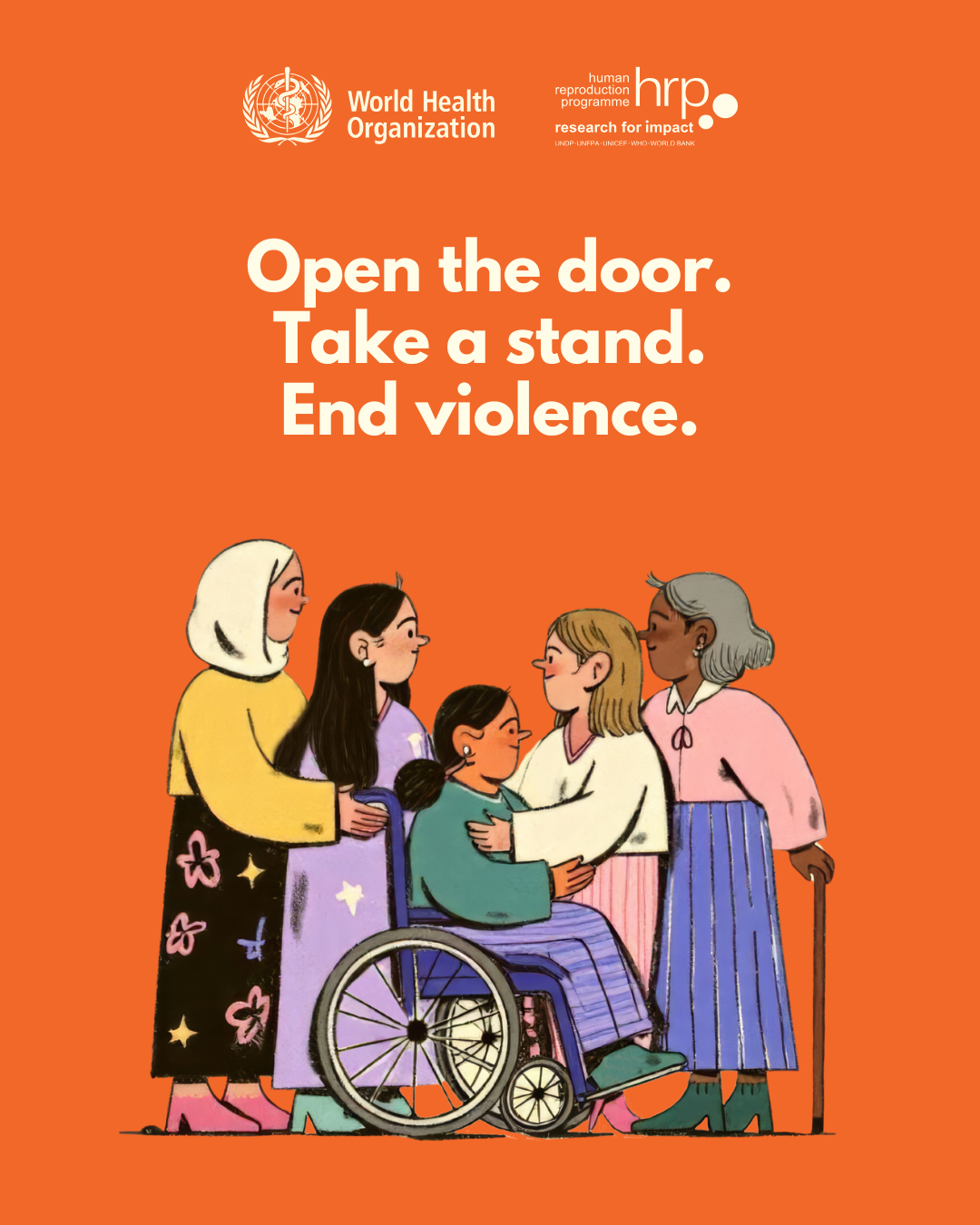
Open the door
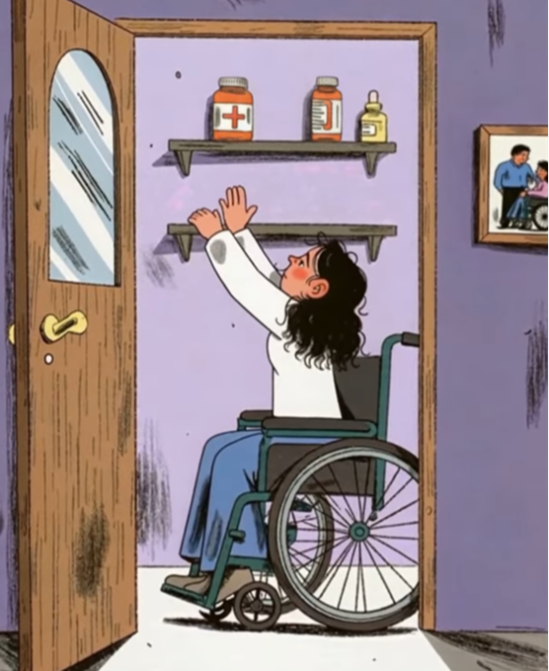
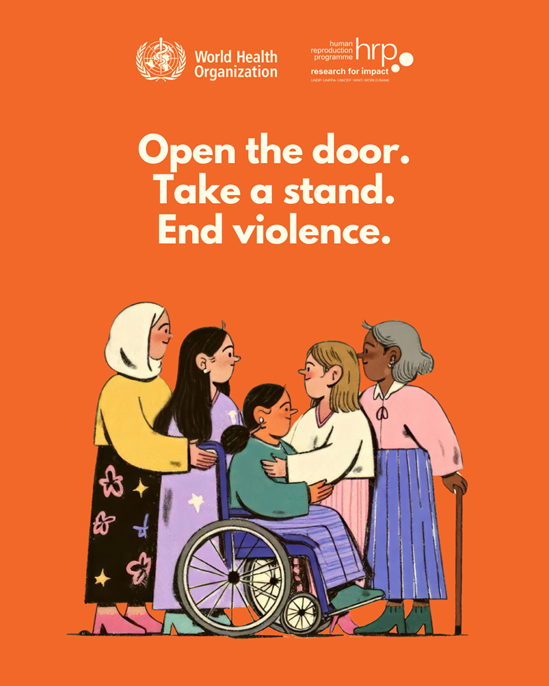
The “Open the door” campaign transforms the findings of the report into human stories and collective action. It is not only about awareness, but also about seeing what is hidden and showing what can be done.
By opening doors, literal and symbolic, the campaign asks people, institutions, and systems to do the same: to recognize the hidden suffering of women and girls subjected to violence, to respond to them with empathy, and to act for change.
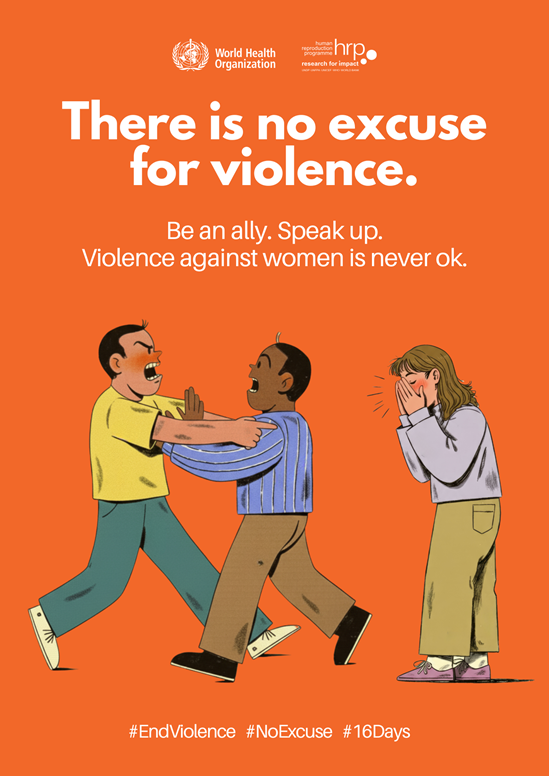
The campaign consists of visual assets, including animated GIFs, posters, screensavers, and a social media filter, created to raise awareness about 7 different forms of violence that too often remain unseen. Please share the assets and put the key messages to use.
Objectives
Raise awareness of the new global estimates and their implications.
Inspire hope and collective action toward a world free from violence.
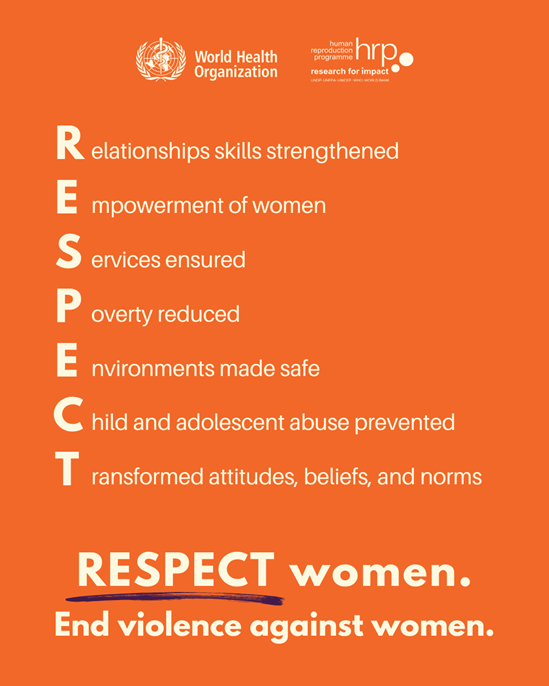
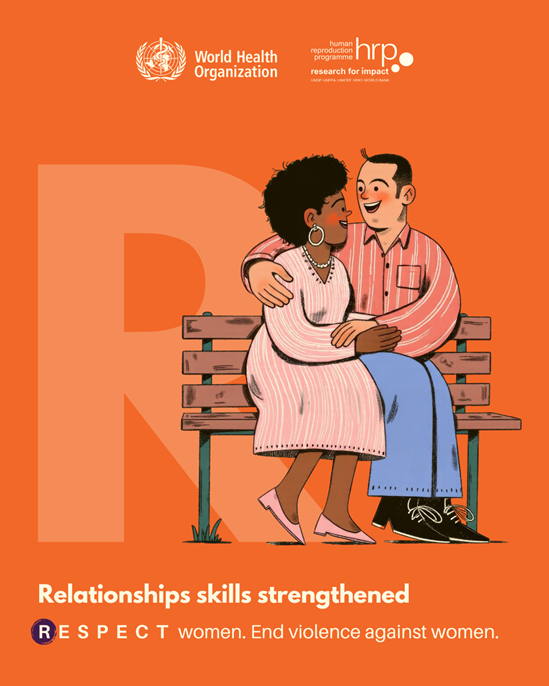
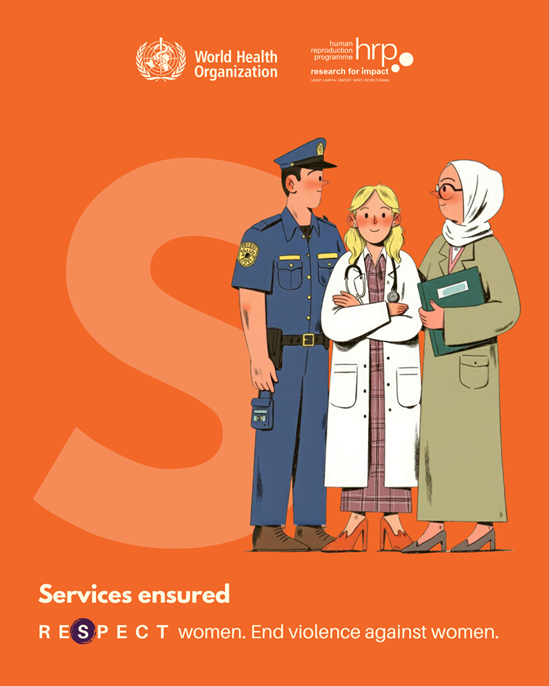
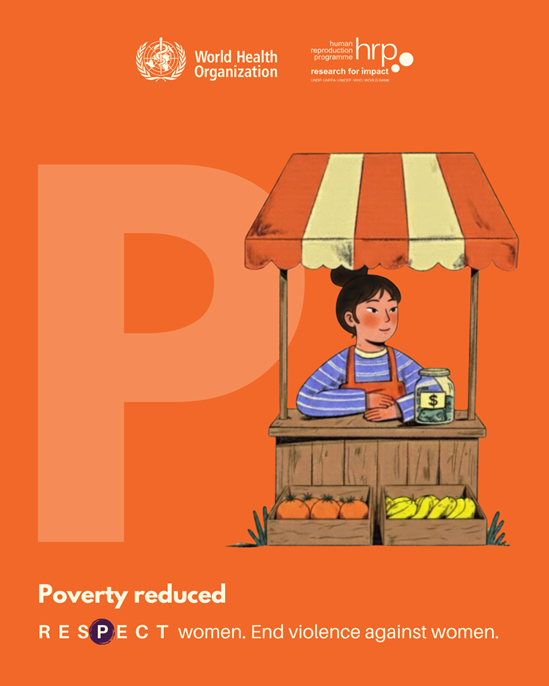
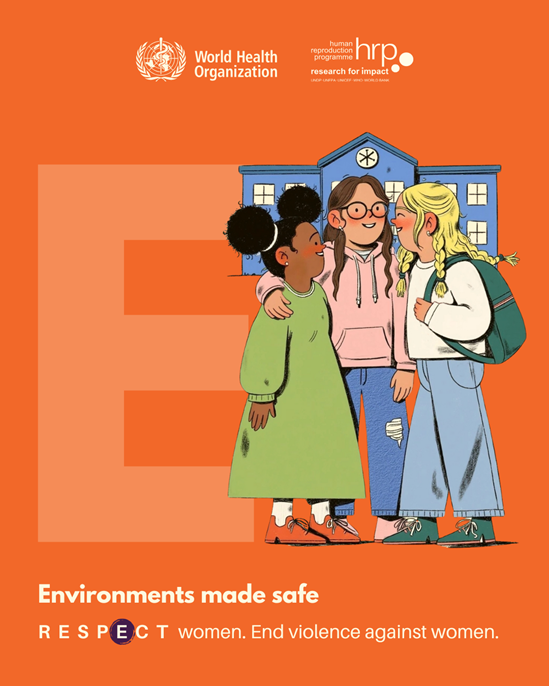
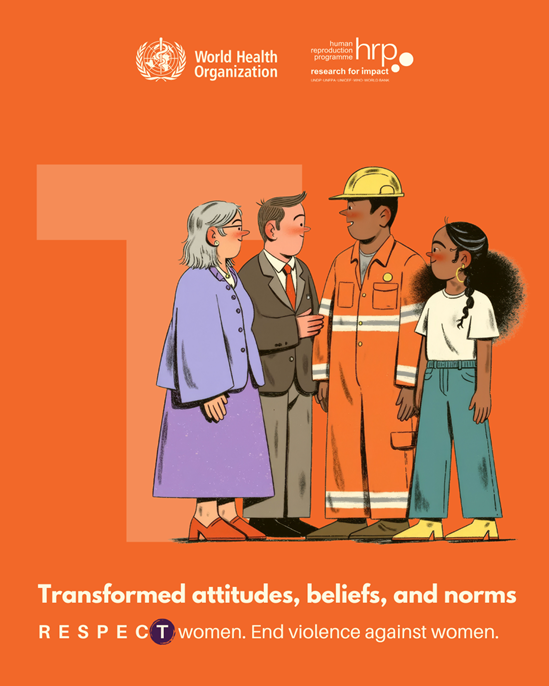
Highlight new evidence-based prevention interventions in RESPECT women and the need for scaled-up efforts.
Apply an intersectional lens, emphasizing the risks faced by women in humanitarian settings and among women with disabilities, adolescents, and older women.
History of the International Day on Elimination of Violence Against women
Origins of the commemoration
The origins of the commemoration of 25 November date back to 1960 when the Mirabel sisters in the Dominican Republic were assassinated for standing up to the dictatorship at that time. about this and the call to action from the current president of the World Health Assembly from the Dominican Republic

Global plan of action
Explore the World Health Assembly Resolution and the Global Plan of Action, which call for stronger, more responsive health systems and sustained global action to prevent violence against women and girls and ensure that survivors receive timely, comprehensive and high-quality care and support.
Useful evidence and resources


Multimedia






You can tag:
@WHO & @HRPresearch
and use hashtags:
#EndViolence, #NoExcuse, #16Days.