/59748.tmb-300v.png?sfvrsn=9885965b_2 "For the future - publication thumbnail")
/initiatives/climate-and-health-co-benefits-challenge-for-the-western-pacific/final-webbanner.tmb-1920v.png?sfvrsn=f7d4b9f8_8)
/countries/fiji/solar_panel_installation.tmb-1920v.jpg?sfvrsn=4abd8fba_3 "solar_panel_installation")
/countries/viet-nam/rd-saia-in-viet-nam.tmb-1920v.jpg?sfvrsn=3d562e7e_2 "solar_panel_installation")
/countries/republic-of-korea/10694.tmb-1920v.jpg?sfvrsn=79e3e7d4_1 "solar_panel_installation")
/countries/lao-peoples-democratic-republic/250310laoenvi_health_352-(1).tmb-1920v.jpg?sfvrsn=87d0f9fd_1 "solar_panel_installation")
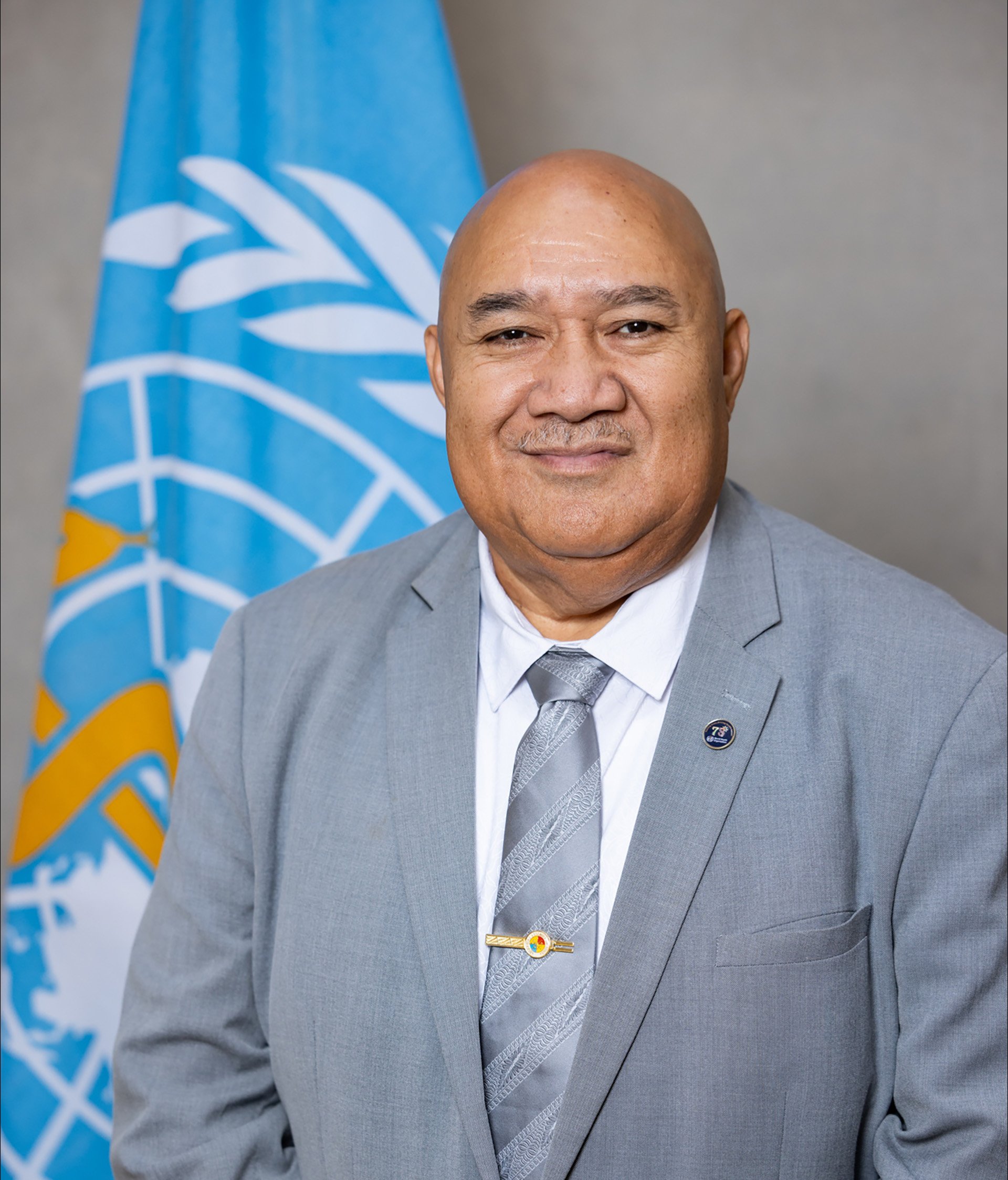
Dr Saia Ma’u Piukala,
WHO Regional Director for the Western Pacific
The climate crisis is a health crisis. Yet health is still largely absent from climate finance and policy decisions.
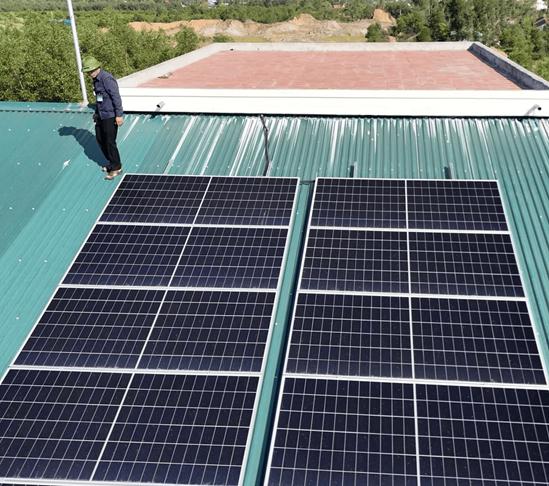
Reducing air pollution through clean energy, enabling active mobility through urban design, improving diets through sustainable food systems, and strengthening climate-resilient infrastructure can generate simultaneous gains for health, climate mitigation and economic resilience.
However, these health co-benefits remain under-recognized in climate policy and investment decisions, limiting their potential to accelerate climate action.
The WHO Global Action Plan on Climate and Health and the Belem Health Action Plan call for systems change. What is needed now is concrete evidence of what works: real-world examples of cross-sector climate action that delivers for both the planet and our communities.
The Climate and Health Co-Benefits Challenge aims to showcase flagship examples of climate investments in non-health-specific sectors that are generating real health gains. These include clean energy transitions, sustainable transport systems, climate-resilient urban design, food system transformation, water and sanitation improvements, and other climate and health co-benefits good practices.
Led by the World Health Organization Asia-Pacific Centre for Environment and Health in the Western Pacific Region (WHO ACE), with support from The Rockefeller Foundation and the Pathfinder Initiative, the Challenge will:
WHO will launch an open call at the seventy-ninth World Health Assembly in May 2026 for climate and health co-benefits case studies. Member States, academic institutions, funders and partners are invited to submit concrete country examples demonstrating cross-sector climate action with measurable health outcomes. A curated case-study portfolio will be showcased at pre-COP31 and featured on this page.
Case study submissions will open on 18 May and will run until 31 August 2026.
Dr Saia Ma’u Piukala,
WHO Regional Director for the Western Pacific
/initiatives/climate-and-health-co-benefits-challenge-for-the-western-pacific/headshot-kate_1058_hr.png?sfvrsn=baa683b6_5 "Hon Kate Thwaites MP, Australia")
Hon Kate Thwaites MP,
Australian Special Envoy for Climate Change Adaptation and Resilience
.tmb-549v.png?sfvrsn=ea8b741b_1)