
Global health sector strategies guide the health sector in implementing strategically focused responses to achieve the goals of ending AIDS, viral hepatitis B and C and sexually transmitted infections by 2030.

Global health sector strategies guide the health sector in implementing strategically focused responses to achieve the goals of ending AIDS, viral hepatitis B and C and sexually transmitted infections by 2030.

Ending TB is not just a public health problem, but a development challenge and opportunity. WHO’s post-2015 End TB Strategy, adopted by the World Health Assembly in 2014, aims to end the global TB epidemic as part of the newly adopted Sustainable Development Goals.
/global-hiv-hepatitis-and-stis-programmes-(hhs)/accountability-ghss-design-arrows.png?sfvrsn=284936b7_4 "accountability-ghss-design-arrows")
At-a-glance accountability dashboard for progress on global strategies for HIV, Hepatitis and STIs with status on impact indicators, services delivered, and adoption of WHO policies. Country scorecards measure progress towards HIV incidence and mortality, and reaching service targets.
The WHO South-East Asia Region remains central to the global fight against tuberculosis (TB). According to the WHO Global Tuberculosis Report 2025 (2024...
This report is the second in a series of biennial progress reports on the implementation of the Global health sector strategies on, respectively, HIV,...
WHO’s new consolidated guidance define the core components of a strong routine HIV surveillance system. Bringing together updated HIV and advanced...
HIV remains a major public health challenge, especially in low- and middle-income countries. Inconsistent or delayed implementation of evidence-based...
This guideline provides evidence-informed recommendations on the use of doxycycline post-exposure prophylaxis (PEP) for the prevention of bacterial sexually...
This guidance presents updated recommendations on antiretroviral drug dosing for neonates, infants and children, drawing on recent pharmacokinetic evidence,...
The Global hepatitis report 2026 provides the most comprehensive and up-to-date assessment of the global burden of hepatitis B (HBV) and hepatitis C (HCV),...
This document consolidates, for the first time, WHO recommendations on the prevention, testing, treatment and monitoring of hepatitis B and C, and...
Groups and initiatives
/global-hiv-hepatitis-and-stis-programmes-(hhs)/nbt-toolkit-banner.png?sfvrsn=e613817f_3 "nbt-toolkit-banner")
/global-hiv-hepatitis-and-stis-programmes-(hhs)/hivst-zimbabwe-afro-nologo-1920.jpg?sfvrsn=a70f3d5b_2 "hivst-zimbabwe-afro-nologo-1920")
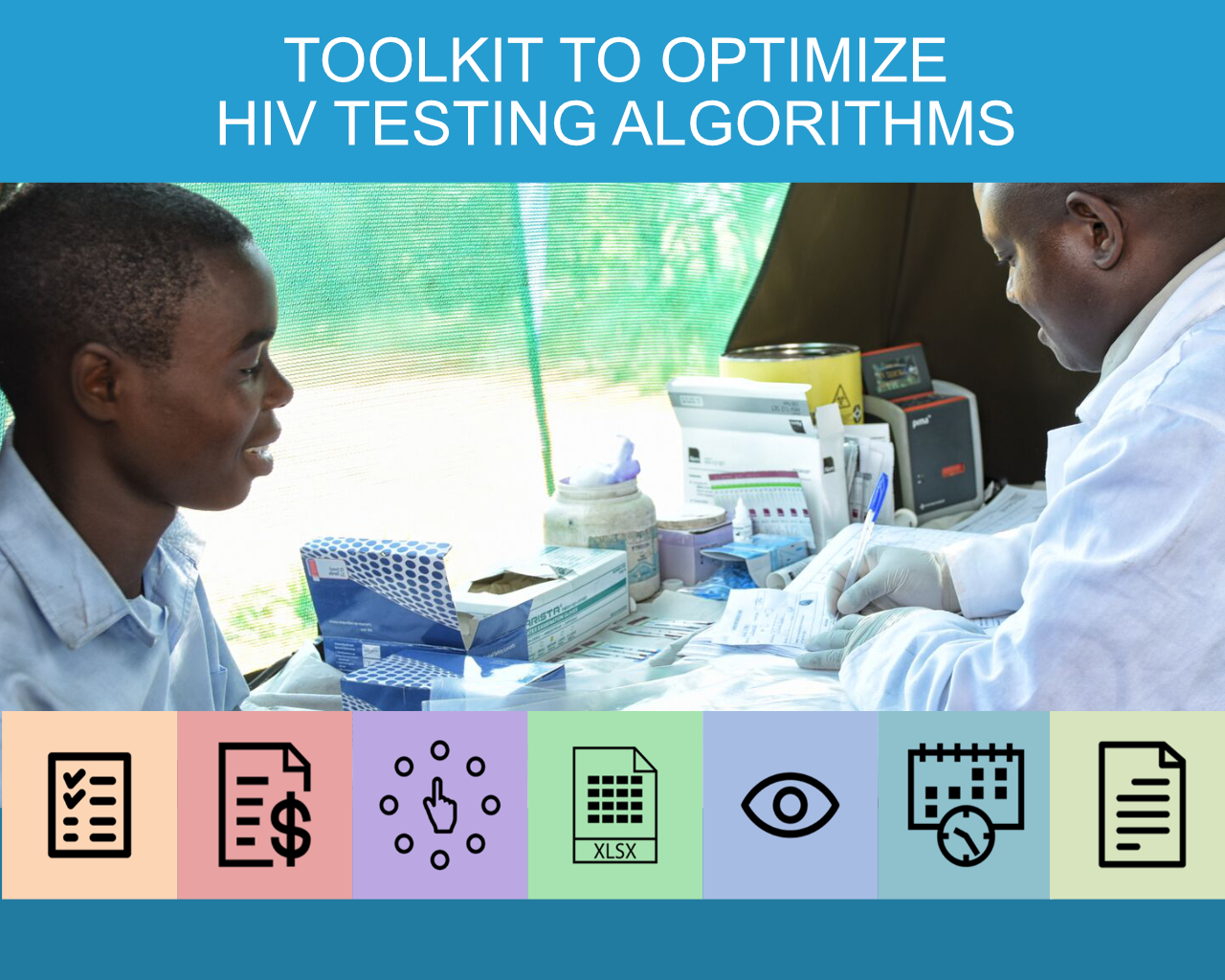
/global-hiv-hepatitis-and-stis-programmes-(hhs)/community-testing-in-can-tho-viet-nam.jpg?sfvrsn=6de039d3_5 "community testing in Can Tho Viet Nam")

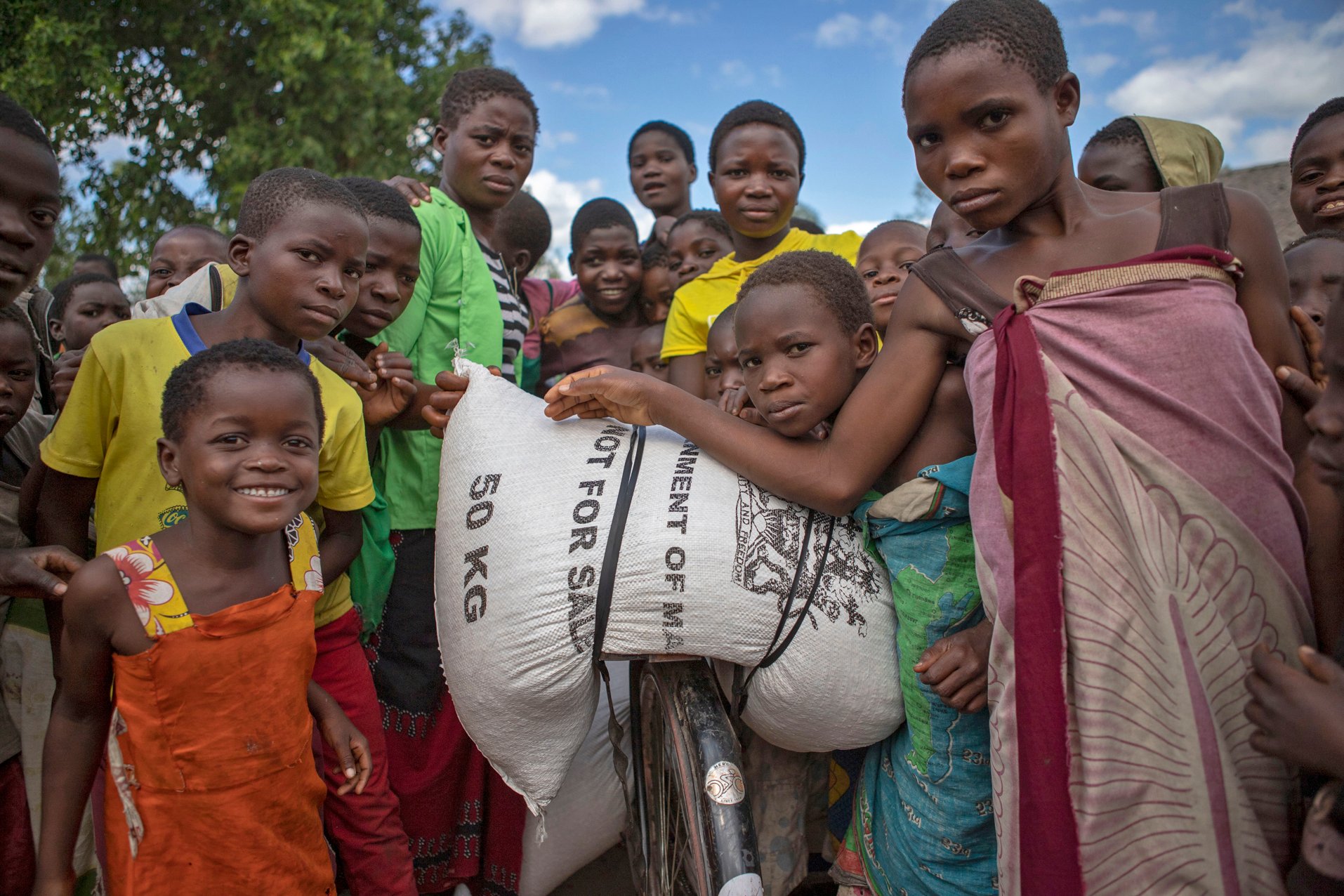
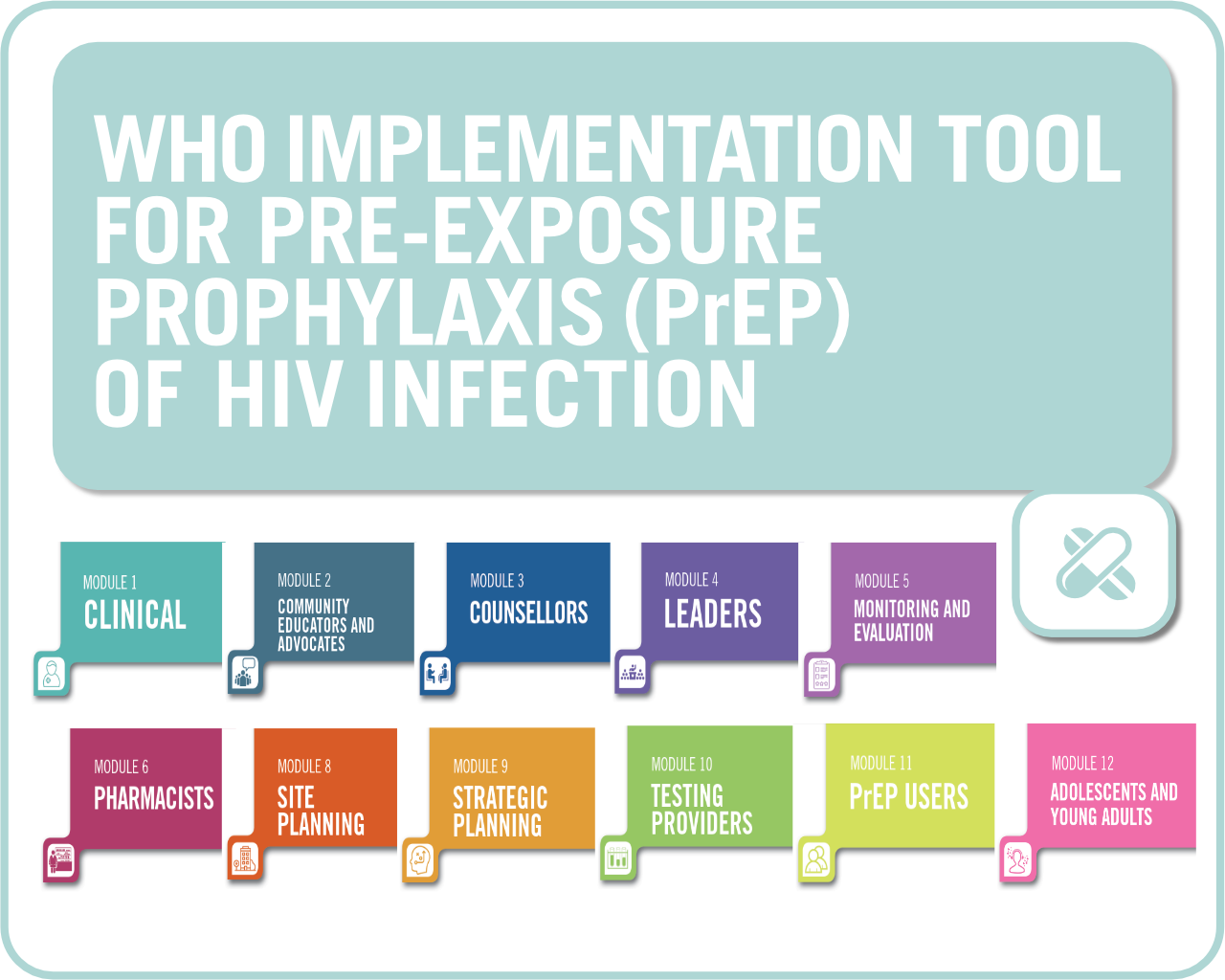


/global-hiv-hepatitis-and-stis-programmes-(hhs)/gustavo-distributes-an-hiv-and-other-stis-prevention-kit-in--brazil.jpg?sfvrsn=9222c363_9 "Gustavo distributes an HIV and other STIs prevention kit in Brazil")